

Oxygen Sensor Tale Rings

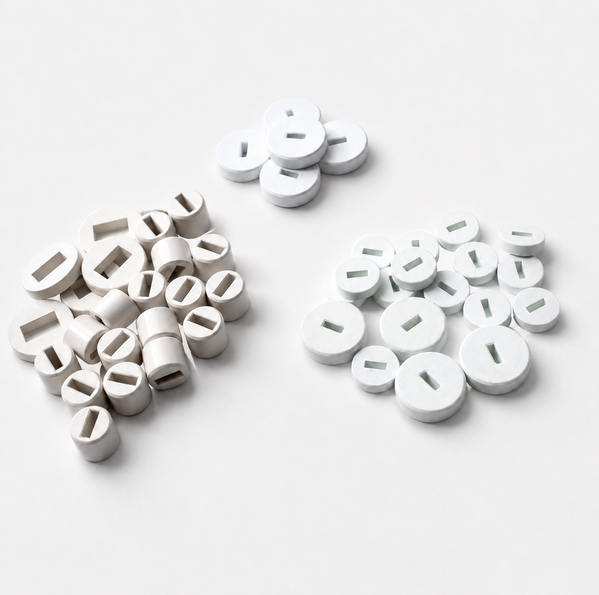

Advanced Ceramics Series
Oxygen Sensor Talc Rings
Oxygen Sensor Talc Rings |
|||||
| Product Code | Material System | Weight Tolerance | Operating Temperature | Leakage Rate | Processing Type |
| SH100 | Talc-Based | ±2% | ≤800 ℃ | <0.1 mL/min | Non-sintered |
| SH035 | Talc-Based | ±2% | ≤800 ℃ | <0.1 mL/min | Sintered at 650℃ |
| SH425 | Talc-Based | ±2% | ≤800 ℃ | <0.1 mL/min | Sintered at 650℃ |
Typical Applications
-
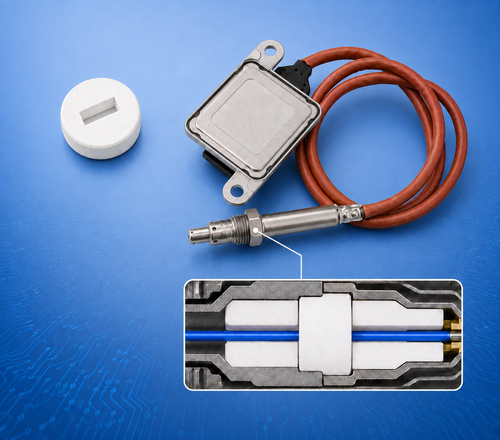
Automotive NOx Sensors
-
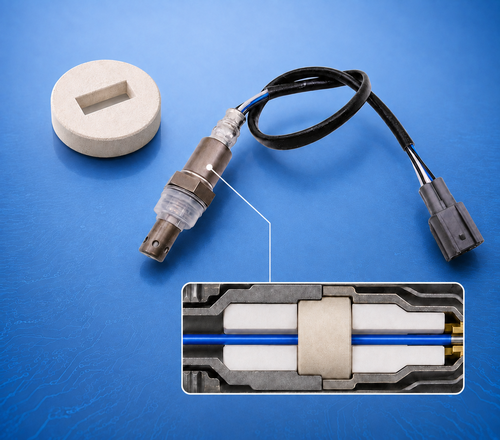
Automotive Oxygen Sensors
-
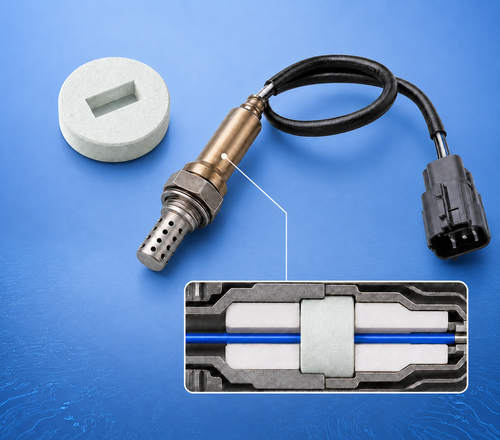
Motorcycle Oxygen Sensors
-
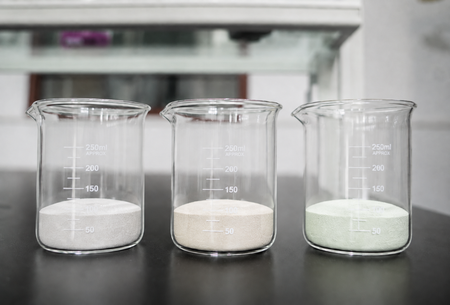
Reliable Sealing Performance
A mature and stable formulation supports consistent compressibility and sealing performance across different sensor applications.
-
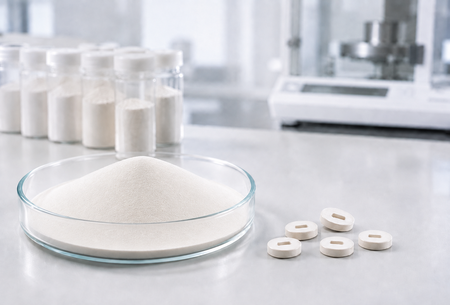
Consistent Compressibility
Controlled granulation helps maintain uniform particle size and material consistency, supporting consistent compressibility during sensor assembly.
-

Precise & Consistent Fit
Standardized process control enable ±2% weight tolerance and ±1% dimensional control, supporting precise and consistent fit across production batches.
-
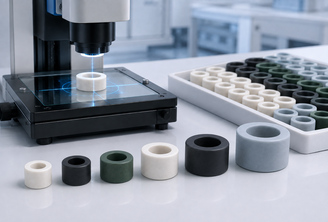
Field-Proven Reliability
Sinopride talc rings have been tested and used by customers in automotive and industrial sensor applications over extended periods.
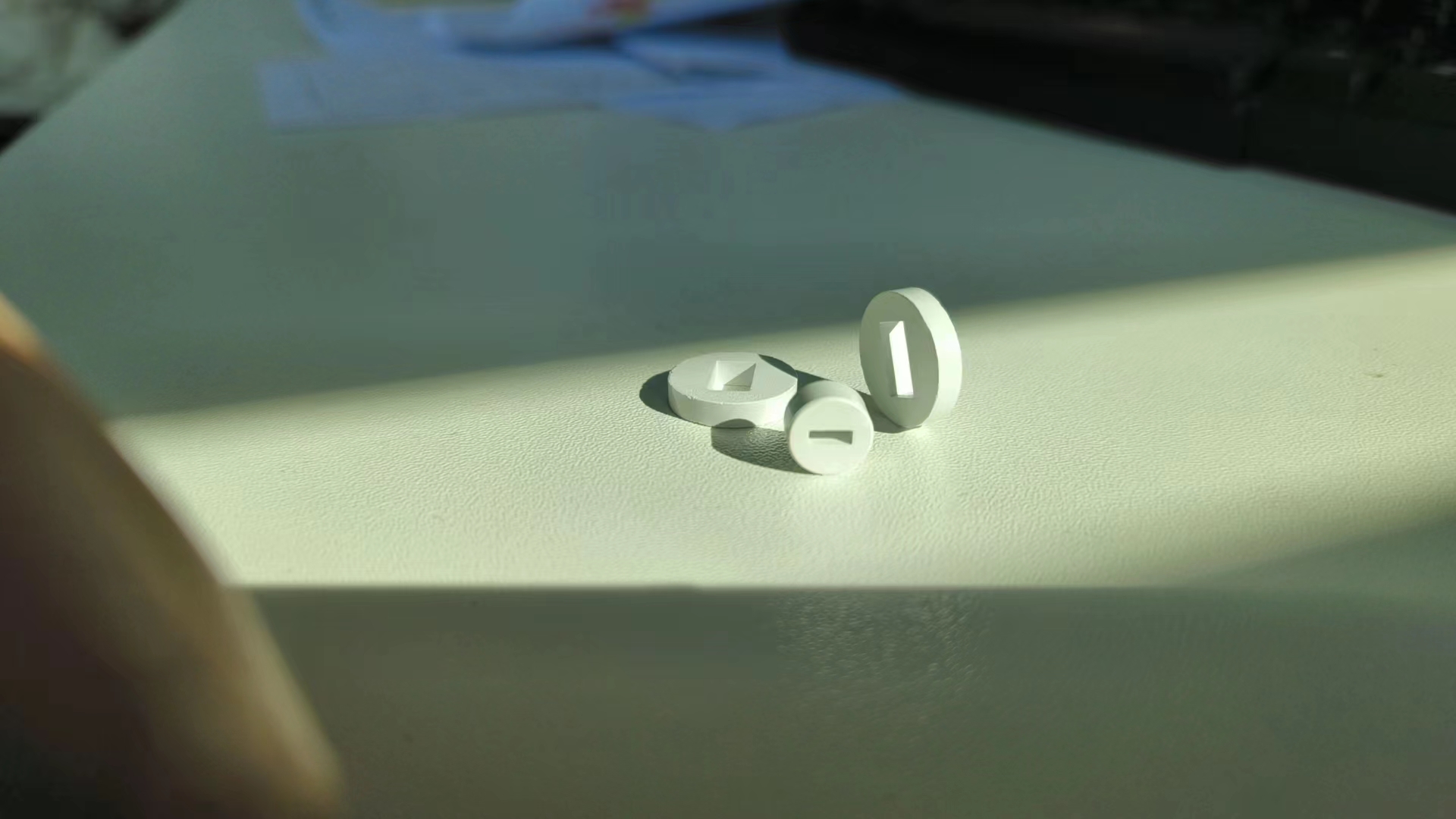
What Makes Sinopride Oxygen Sensor Talc Rings Reliable?
-
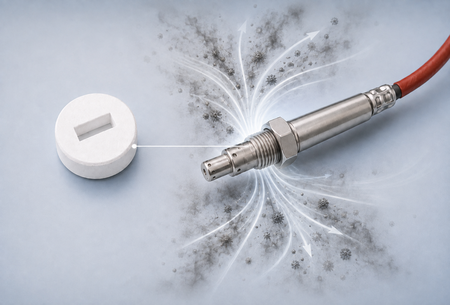
Stable Internal Sealing
Talc rings from a compressed sealing layer around the sensing element, helping maintain a stable internal seal.
-
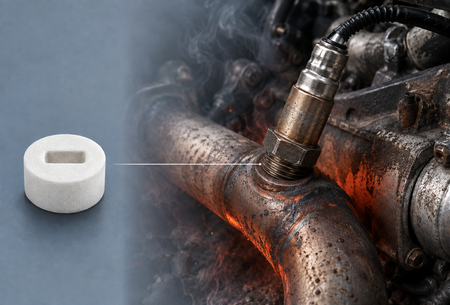
Seal Integrity Under Demanding Conditions
The compressed sealing structure helps maintain seal integrity during temperature changes and demanding sensor operating conditions.
-
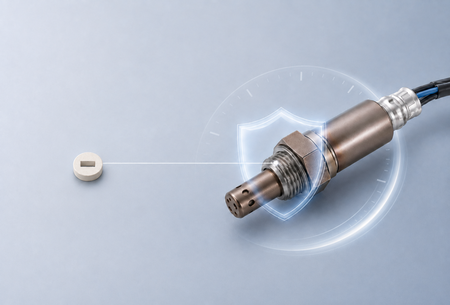
Long-Term Sensor Reliability
Stable sealing helps reduce seal degradation and supports reliable sensor operation over extended service periods.
-
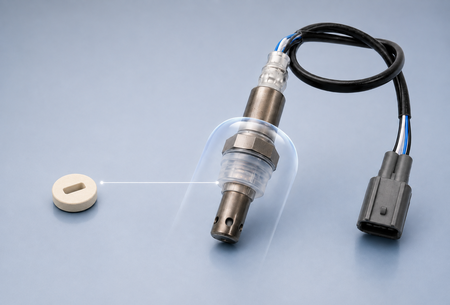
Supports Reliable Sensor Operation
By maintaining a stable seal around the sensing element, talc rings supports consistent sensor operation in engine and emissions monitoring systems.

Sintered vs. Non-Sintered Options

Compression & Sealing Behavior

Thermal Stability

Product