

How Much Does Car Air Conditioning Repair Cost-The Importance of Battery Terminal Caps
Release time:2025-11-21
Car air conditioning (AC) systems are crucial for maintaining comfort in vehicles, especially during hot weather. However, like any other complex automotive system, the AC requires regular maintenance and occasional repairs. Alongside this, many car owners overlook another important component: the battery terminal caps. These small yet vital parts play a significant role in vehicle performance and maintenance. In this blog, we'll discuss how car AC works, how long it typically lasts, the costs associated with repairs, and why battery terminal caps are essential to keep your car running smoothly.
How does air conditioning work on a car?
-What are the major components of a car AC system?
-What are the four basic functions of an automotive air conditioning system?
How long does car air conditioning last?
-How long is AC supposed to last in a car?
-What is the most common cause of car AC failure?
How much does it cost to repair car air conditioning?
-What is the most expensive part of the AC unit to fix?
-What's the average cost to fix a car AC?
What do battery terminal caps do on a car battery?
-What Are Battery Terminal Caps?
-Role of Battery Terminal Caps in Vehicle Maintenance
-How to tell if a battery terminal is bad?
SPCERA sealed glass: The key material in battery terminal protectors
How Does Air Conditioning Work in a Car?

Understanding the inner workings of a car's AC system can help you appreciate the complexity of the technology involved and why it might break down over time.
What Are the Major Components of a Car AC System?
A car's AC system consists of several critical components that work together to provide cool air inside the cabin. These include:
Compressor: The compressor is the heart of the AC system. It pressurizes and circulates refrigerant through the system, allowing the system to absorb and release heat.
1.Condenser: Located at the front of the car, the condenser expels heat from the refrigerant that’s been compressed. The refrigerant cools and condenses into a liquid form here.
2.Evaporator: This component absorbs heat from the inside of the cabin and transfers it to the refrigerant, turning the liquid refrigerant into a gas.
3.Expansion Valve: The expansion valve controls the flow of refrigerant into the evaporator, regulating the temperature and pressure inside the system.
What Are the Four Basic Functions of an Automotive Air Conditioning System?
The four main functions of an AC system are:
1.Cool the Air: The primary purpose of the AC system is to cool the air inside the car.
2.Dehumidify the Air: By removing moisture, the AC system helps reduce fogging and condensation on the windows.
3.Improve Air Quality: Many modern car AC systems come with filters that trap dust, allergens, and pollutants, providing cleaner air to breathe.
4.Maintain Comfort: The AC ensures that the cabin remains comfortable by regulating the air temperature and humidity.
How Long Does Car Air Conditioning Last?
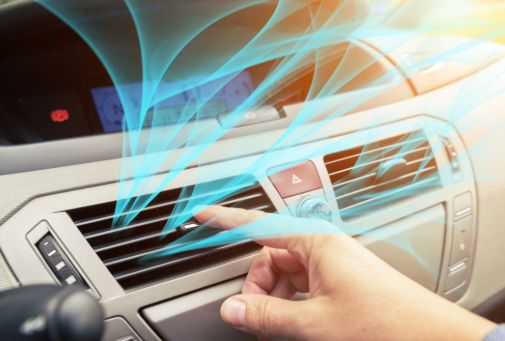
Most modern car AC systems are designed to last for many years, but their longevity depends on various factors, including how often they're used and how well they're maintained.
How Long Is AC Supposed to Last in a Car?
On average, a car's AC system can last anywhere from 10 to 15 years if well-maintained. However, individual components like the compressor or condenser may need replacement or repairs earlier, especially if they suffer from leaks or wear out.
What Is the Most Common Cause of Car AC Failure?
The most common reason for car AC failure is the lack of refrigerant. Over time, refrigerant can leak from the system due to small cracks or holes in the hoses, seals, or other components. Other potential causes of failure include problems with the compressor, condenser, or evaporator, which are typically more expensive to repair or replace.
How Much Does It Cost to Repair Car Air Conditioning?

AC repair costs can vary greatly depending on the issue, the model of your vehicle, and labor rates in your area. Below are some common AC repairs and their costs.
What Is the Most Expensive Part of the AC Unit to Fix?
The compressor is usually the most expensive component to replace in a car's AC system. Replacing a faulty compressor can cost anywhere from $500 to $1,000, depending on the car's make and model. In some cases, the condenser or evaporator might also need replacement, which could also add significant costs to the repair.
What's the Average Cost to Fix a Car AC?
On average, a simple refrigerant refill might cost between $100 and $300, while more complex repairs (such as replacing the compressor, condenser, or evaporator) can run anywhere from $500 to $1,500 or more. It’s essential to get a proper diagnosis and estimate from a certified technician before proceeding with repairs.
What Do Battery Terminal Caps Do on a Car Battery?
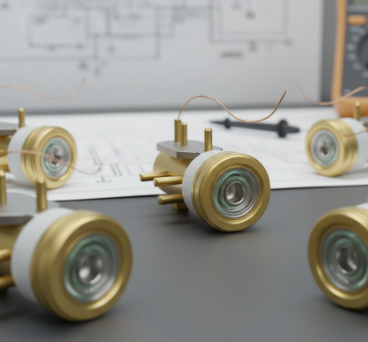
While AC systems are vital for comfort, the proper functioning of your car's electrical system is equally important. Here’s where battery terminal caps come in — a small but crucial component of the car battery.
What Are Battery Terminal Caps?
Battery terminal caps are protective covers placed on the terminals of the car’s battery. These caps are designed to protect the battery terminals from external elements, such as moisture, dirt, and debris. They also help prevent corrosion, which is one of the leading causes of battery failure.
Role of Battery Terminal Caps in Vehicle Maintenance
Battery terminal caps serve several critical purposes in vehicle maintenance:
1.Protection Against Corrosion: One of the most important roles of battery terminal caps is to prevent corrosion from forming on the battery terminals. Corrosion can disrupt the flow of electrical current, making it harder for your car to start and run smoothly.
2.Prevention of Short Circuits: The caps act as a barrier to prevent accidental short circuits, which can lead to electrical failures or fires.
3.Ensuring Proper Power Flow: By keeping the terminals clean and protected, the battery terminal caps ensure that the battery provides consistent and reliable power to the car's electrical systems, including the AC.
How to Tell if a Battery Terminal is Bad?
Signs of a bad or corroded battery terminal include:
1.Difficulty Starting the Car: If your car struggles to start or doesn’t start at all, the battery terminals may be corroded or loose.
2.Dim Headlights or Electrical Issues: A weak or unstable connection at the battery terminals can cause electrical issues such as dim lights or malfunctioning electronics.
3.Visible Corrosion: If you notice a white or greenish buildup around the battery terminals, it’s likely corrosion that can interfere with electrical conductivity.
SPCERA Sealed Glass: The Key Material in Battery Terminal Protectors
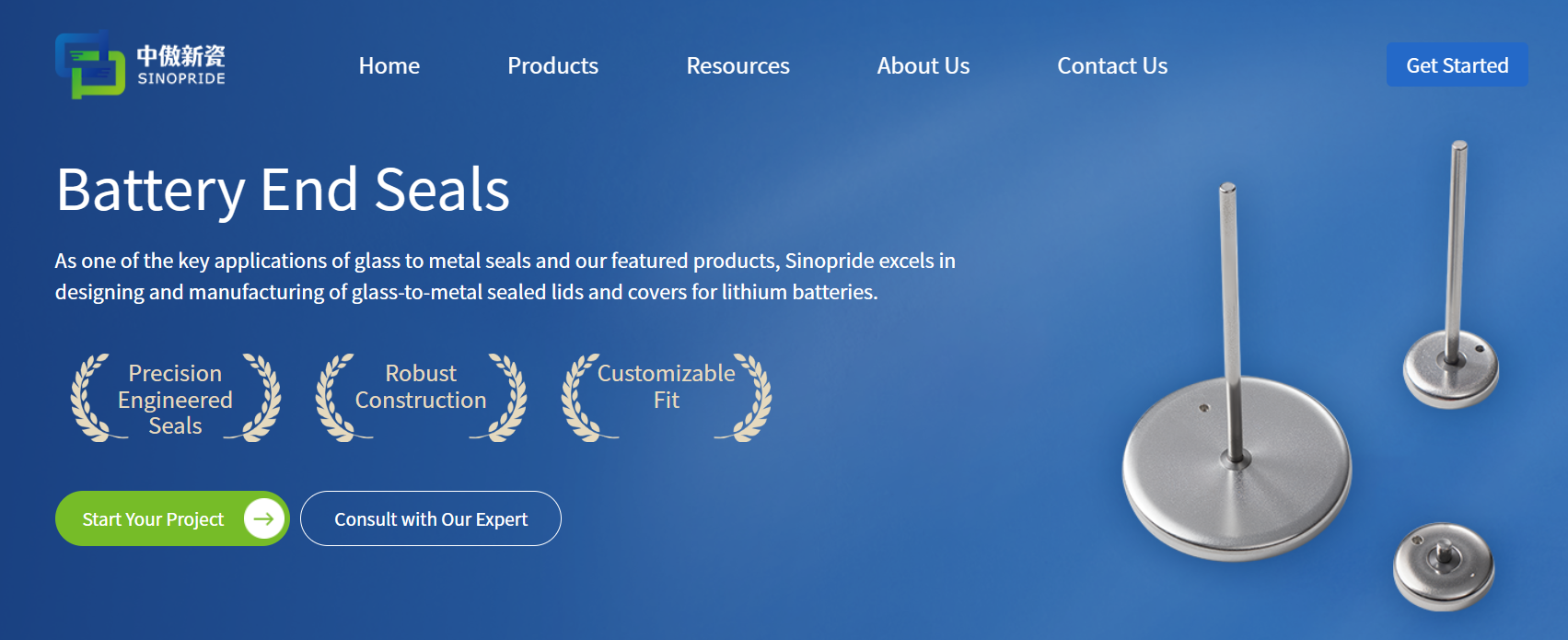
Battery terminal caps are made from high-quality materials to ensure durability and long-term protection. SPCERA sealed glass is one of the most advanced materials used in battery terminal protectors, particularly in lithium-thionyl chloride (Li-SOCI2) batteries.
SPCERA Sealed Glass plays a vital role in ensuring the longevity and performance of battery terminal caps, especially in applications where long-term reliability is critical.
Key Features of SPCERA Sealed Glass:
1.High Stability: SPCERA sealed glass is highly resistant to corrosion and extreme conditions, ensuring the battery terminal protector remains intact over time.
2.Low Leakage Rate: The sealed glass has a very low leakage rate, preventing any loss of battery fluid and maintaining the internal pressure.
3.Electrical Insulation: The material also acts as an insulator, ensuring no short circuits occur at the battery terminals.
4.Durability: SPCERA sealed glass can withstand harsh environments, making it ideal for use in automotive applications and other critical systems that rely on battery performance.
Conclusion
Whether you're dealing with a malfunctioning AC system or dealing with battery issues, understanding the importance of maintenance is key to keeping your car running smoothly. Regularly checking your AC system and maintaining battery terminal caps can save you significant repair costs and extend the lifespan of your vehicle. For those who rely on high-performance batteries, using materials like SPCERA sealed glass for terminal protection ensures long-lasting, reliable functionality.
Recommended Reading :
1.How to Use Glass-to-Metal Seals?
2.Introduction to the world's top glass-to-metal seal manufacturers