

Types of Hermetic Seals: A Comprehensive Guide to Applications
Release time:2025-12-09
Hermetic seals are critical for ensuring airtight, watertight, and gas-tight environments, protecting sensitive components from environmental contaminants such as moisture, air, and gases. Common types include glass-to-metal seals, ceramic-to-metal seals, and epoxy seals, each suited for different applications depending on factors like temperature, pressure, and material compatibility.These seals are widely used in aerospace, medical implants, and electronics, where reliability is paramount. The selection of the appropriate hermetic seal depends on various factors, including performance needs, cost, and long-term durability. Emerging trends, such as advanced materials, 3D printing, and sustainability efforts, are shaping the future of hermetic sealing technologies.
What does it mean to be hermetically sealed?
-How to make hermetic seal?
-Importance of Hermetic Sealing Solutions
What are the different types of hermetic seals?
-Glass to metal seal
-Ceramic-to-metal seals
-Epoxy seals
Key factors influencing the selection of hermetic seals
Applications of hermetic seals
-Aerospace hermetic sealing solutions
-Hermetic seal in medical implants
-Hermetic seals in electronics
SPCERA hermetic connector manufacturers : custom hermetic sealing solutions
Emerging trends in hermetic sealing
What Does It Mean to Be Hermetically Sealed?
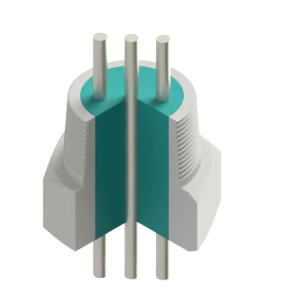
A hermetic seal refers to a sealing method that ensures a completely airtight, watertight, and often gas-tight environment. These seals are essential in situations where sensitive components must be protected from external factors such as moisture, air, and contaminants. Hermetic seals are designed to maintain the integrity of the sealed environment for extended periods, providing a durable barrier that ensures long-term performance and protection.
How to Make a Hermetic Seal?
Making a hermetic seal involves creating a bond between two materials that is airtight and resistant to external conditions. The process typically involves the use of special materials like metals, ceramics, or polymers that are capable of maintaining their integrity under extreme environmental conditions such as high temperatures, pressures, or corrosive substances. The most common methods include glass-to-metal sealing, ceramic-to-metal sealing, and epoxy-based sealing, with each providing distinct advantages depending on the application.
Importance of Hermetic Sealing Solutions
Hermetic seals are crucial in a variety of industries because they provide protection for sensitive components. In aerospace, electronics, and medical devices, where reliability and performance are paramount, a hermetic seal ensures that the internal components are shielded from environmental contamination, moisture, and other factors that could lead to failure. They also prevent the ingress of gases that might interfere with a product’s function, such as in high-tech electronics where moisture can short-circuit delicate circuits.
What Are the Different Types of Hermetic Seals?
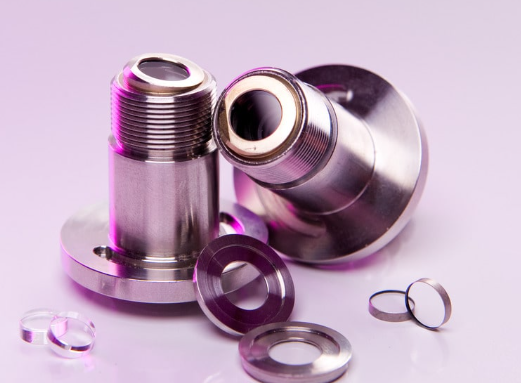
There are several types of hermetic seals, each designed to address specific needs and environmental conditions. Let's explore the most common types:
Glass-to-Metal Seal
1.What is a Glass-to-Metal Seal?
A glass-to-metal seal is one of the most reliable hermetic seals, commonly used for connecting metal and glass components. It involves bonding a metal (usually Kovar or stainless steel) to a glass element using a special sealing process that ensures the joint is airtight and impervious to moisture and gases.
2.Advantages:
High thermal resistance, making it suitable for high-temperature applications.
Excellent in creating a tight, long-lasting seal.
Strong mechanical strength and high-pressure resistance.
3.Applications:
Aerospace components, satellite electronics, vacuum systems, and sensors.
Ideal for environments that require high precision and reliability over time.
Ceramic-to-Metal Seals
1.What is a Ceramic-to-Metal Seal?
Ceramic-to-metal seals combine ceramic materials (like alumina) with metals (such as nickel or stainless steel) to form a hermetic seal. This type of seal is used primarily in high-temperature, high-voltage, or corrosive environments.
2.Advantages:
High insulation properties, making it ideal for electrical applications.
Excellent resistance to high temperatures and pressure.
Durability in chemically aggressive environments.
3.Applications:
Semiconductor manufacturing, vacuum devices, and high-voltage equipment.
Medical implants and certain aerospace applications where electrical insulation and high durability are critical.
Epoxy Seals
1.What are Epoxy Hermetic Seals?
Epoxy seals use a resin-based adhesive to create a bond between two components. These seals are less expensive and easier to apply compared to other methods like glass-to-metal or ceramic-to-metal seals.
2.Advantages:
Cost-effective and simple to apply.
Useful for sealing smaller, less demanding components.
Can be customized for specific sealing applications.
3.Applications:
Electronics, circuit boards, small electronic devices, and low-power medical equipment.
Common in consumer goods and automotive sectors for sealing electrical connectors and sensors.
Key Factors Influencing the Selection of Hermetic Seals
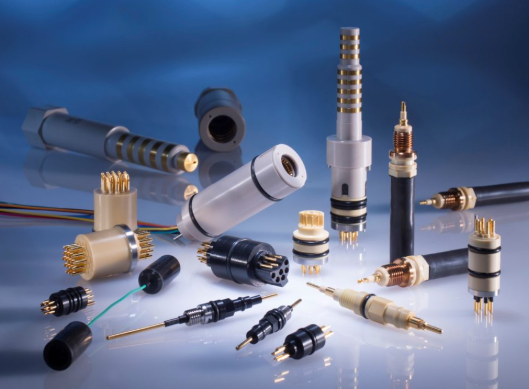
When selecting the appropriate hermetic seal for a specific application, several factors come into play:
1.Temperature and Pressure Resistance
Certain types of hermetic seals are better suited for extreme conditions. For example, glass-to-metal seals are highly resistant to high temperatures and pressure, making them ideal for use in aerospace and satellite applications. In contrast, epoxy seals may not be suitable for high-temperature environments as they can degrade under thermal stress.
2.Material Compatibility
The materials selected for sealing must be compatible with the environmental conditions and the substances they will be exposed to. For example, ceramic-to-metal seals are often chosen for high-voltage electrical systems because ceramics provide excellent electrical insulation, while metals ensure a strong physical bond. Material compatibility is crucial to ensure a reliable, long-lasting seal.
3.Cost vs. Performance
While epoxy seals are more affordable and easier to apply, they may not offer the same level of performance as more advanced sealing methods like glass-to-metal seals. Glass-to-metal seals, though more expensive, provide superior mechanical strength and long-term reliability, making them the preferred choice for critical applications in aerospace and defense.
4.Long-Term Reliability
In industries where high reliability is required, such as in aerospace, glass-to-metal seals or ceramic-to-metal seals are often preferred. These types of seals offer superior durability and long-term integrity, even in the harshest environments. Seals like the compression glass-to-metal seal are specifically designed for high-reliability applications, such as in satellite communications or aerospace equipment, where failure is not an option.
Applications of Hermetic Seals
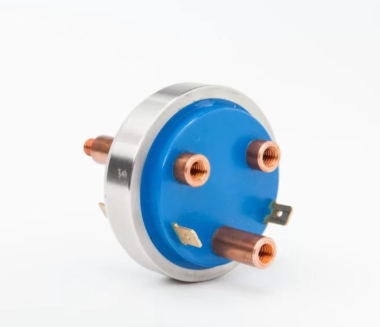
Aerospace Hermetic Sealing Solutions
Aerospace applications require hermetic sealing solutions that can withstand extreme temperatures, high pressure, and vibration. Glass-to-metal seals are widely used in satellites and spacecraft, ensuring that sensitive components are protected from environmental factors like moisture and atmospheric gases. These seals also maintain airtight and watertight integrity, which is essential for reliable performance in space exploration and satellite technology.
Hermetic Seal in Medical Implants
In the medical field, hermetic seals are crucial for preventing the ingress of contaminants in sensitive implants such as pacemakers, hearing aids, and diagnostic devices. Ceramic-to-metal seals are commonly used in implants because they offer excellent biocompatibility and durability, ensuring that the implants remain safe and functional over long periods.
Hermetic Seals in Electronics
In electronics, hermetic seals are essential for protecting sensitive components like microchips, sensors, and circuit boards from moisture and dust. Epoxy-based seals are often used in consumer electronics due to their cost-effectiveness, while glass-to-metal seals are employed in high-performance systems that require robust protection, such as in aerospace electronics and medical devices.
SPCERA Hermetic Connector Manufacturers: Custom Hermetic Sealing Solutions
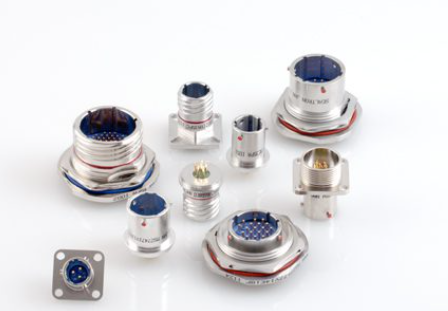
For industries that require highly specific and customized hermetic sealing solutions, SPCERA provides top-quality hermetic connectors. These connectors are designed for a wide range of applications, including high-precision electronics, medical devices, and aerospace systems. SPCERA offers bespoke solutions that ensure long-lasting, reliable seals tailored to each client's specific needs.
Emerging Trends in Hermetic Sealing
As technology advances, the field of hermetic sealing continues to evolve. Some of the emerging trends include:
1.Materials Innovation: New materials, such as advanced polymers and ceramics, are being developed to create seals that offer even better performance, durability, and cost-efficiency.
2.3D Printing for Seals: Additive manufacturing (3D printing) is being explored to produce complex hermetic seals for custom applications, especially in electronics and aerospace.
3.Environmental Sustainability: As industries focus on sustainability, research is underway to create more eco-friendly sealing materials that reduce the environmental impact of manufacturing processes.
Conclusion
Selecting the right hermetic sealing solution is critical to ensuring the reliability and longevity of components in challenging environments. Whether you're working with glass-to-metal seals, ceramic-to-metal seals, or epoxy seals, understanding the specific requirements of your application will help you choose the best seal for the job. With industries ranging from aerospace to medical devices relying on hermetic sealing, the advancements in this field continue to play a key role in maintaining product integrity and performance.
Recommended reading :
1.What does hermetically sealed mean?