

Electric Vehicle Battery Technology Explained: The Crucial Role of Battery Terminal Cap
Release time:2025-11-29
The electric vehicle (EV) revolution is rapidly gaining traction worldwide, with numerous advancements being made in battery technologies. While many consumers and industries focus on the energy storage capabilities and range of EV batteries, an often-overlooked component plays a crucial role in ensuring the longevity, performance, and safety of these batteries: the battery terminal cap. In this blog, we will explore the latest developments in EV battery technologies, the different types of batteries used in electric vehicles, and the vital role the battery terminal cap plays in the overall performance and safety of the battery system.
Overview of electric vehicles batteries technology
-What is the new battery technology for electric cars?
-What is the best technology for electric car batteries?
Types of batteries used in electric vehicles
Key Technologies in EV batteries
What is a battery terminal cap?
-Definition and function of battery terminal caps
-Construction and materials of auto battery terminal caps
The importance of battery terminal cap in EV battery systems
Innovations in Battery Terminal Cap Design
Overview of Electric Vehicle Battery Technology
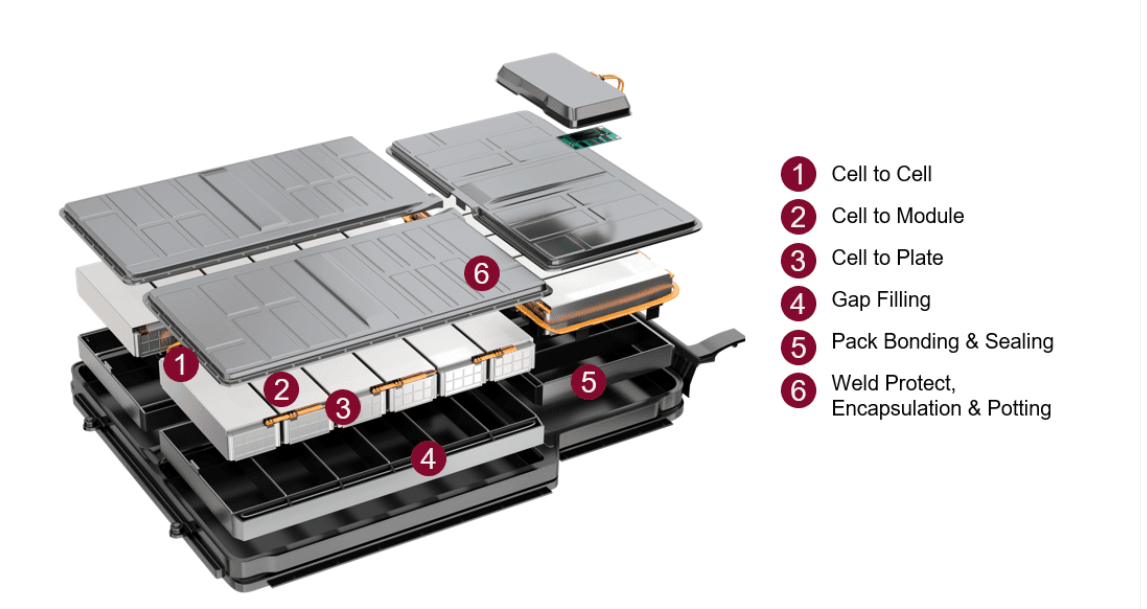
The technology behind EV batteries is constantly evolving as manufacturers and researchers work towards improving energy storage systems. From the introduction of lithium-ion (Li-ion) batteries to the ongoing research into solid-state batteries, innovation is shaping the future of electric transportation. But before diving into the details of battery terminal caps, it is essential to understand the types of batteries currently used in electric vehicles and the key technological developments that support their functionality.
What is the New Battery Technology for Electric Cars?
In recent years, there have been significant advancements in battery technology aimed at improving the performance, safety, and affordability of EVs. Traditional lithium-ion batteries are the most commonly used in electric vehicles today, but new technologies are emerging that could potentially change the landscape of EV battery design.
One of the most promising new technologies is the solid-state battery, which uses a solid electrolyte instead of the liquid electrolyte found in conventional lithium-ion batteries. Solid-state batteries promise to offer higher energy density, faster charging times, and improved safety due to their more stable chemical structure. Companies such as Toyota, QuantumScape, and Solid Power are investing heavily in solid-state technology, with the aim of bringing these batteries to market within the next few years.
What is the Best Technology for Electric Car Batteries?
The "best" technology for EV batteries depends on several factors, including cost, energy density, safety, and charging times. Currently, lithium-ion batteries dominate the market due to their balanced performance and cost-effectiveness. However, the best future battery technology may be one that combines the strengths of various battery types to meet the demands of EV manufacturers and consumers.
Some technologies, like lithium iron phosphate (LFP) batteries, prioritize safety and cost-effectiveness over energy density. Others, such as nickel-manganese-cobalt (NMC) batteries, offer higher energy densities, making them suitable for high-performance electric vehicles. Ultimately, the ideal EV battery will depend on the specific requirements of the vehicle—whether it’s a mass-market sedan, a high-performance sports car, or a commercial truck.
Types of Batteries Used in Electric Vehicles
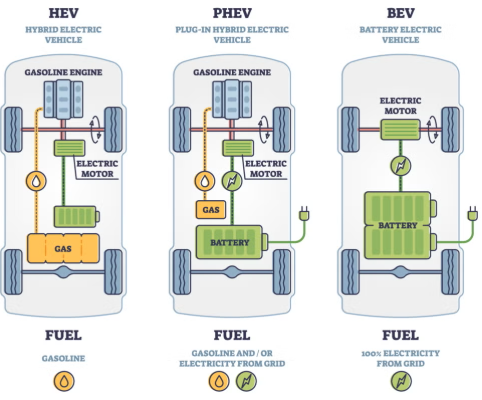
Electric vehicle batteries come in various chemistries, each offering distinct advantages and drawbacks. Let’s take a closer look at the most common types of batteries used in electric vehicles today:
1. Lithium-Ion Batteries
Lithium-ion batteries are the most widely used type of battery in electric vehicles today. Their popularity stems from their high energy density, long lifespan, and relatively low self-discharge rate. These batteries can store a large amount of energy for their size, making them ideal for EV applications where space and weight are at a premium. Some of the notable advantages of lithium-ion batteries include:
High Energy Density: They offer a good balance between size, weight, and energy storage capacity.
Long Lifespan: They typically last for 8–10 years or more, depending on usage and conditions.
Lower Self-Discharge Rate: Lithium-ion batteries lose their charge slowly when not in use, improving their practicality for everyday use.
2. Solid-State Batteries
Solid-state batteries represent a future leap in battery technology. Unlike conventional lithium-ion batteries, which use a liquid electrolyte, solid-state batteries use a solid electrolyte. This innovation improves the energy density and safety of the battery, reducing the risk of fires and thermal runaway. Solid-state batteries also promise:
Higher Energy Density: The solid electrolyte can store more energy, improving range and performance.
Improved Safety: Solid-state batteries are less prone to leaking or catching fire compared to traditional lithium-ion batteries.
Longer Lifespan: These batteries can potentially last longer due to fewer internal degradations.
However, despite their potential, solid-state batteries are still in the experimental phase, with companies like Toyota and QuantumScape working on scaling them for commercial production.
3. Lithium Iron Phosphate (LFP) Batteries
LFP batteries are known for their safety and cost advantages. While their energy density is lower compared to other lithium-ion chemistries like nickel-cobalt-manganese (NCM), they are safer and cheaper to produce, making them a popular choice for more affordable electric vehicles. Some benefits of LFP batteries include:
Increased Safety: LFP batteries are less prone to thermal runaway and fire.
Lower Cost: LFP batteries are made using cheaper raw materials, such as iron and phosphate, rather than cobalt or nickel.
Better Performance in High Temperatures: LFP batteries perform better in hot climates compared to other lithium-based chemistries.
4. Nickel-Manganese-Cobalt (NMC) Batteries
NMC batteries are commonly used in high-performance electric vehicles due to their superior energy density. These batteries combine nickel, manganese, and cobalt in different proportions to provide a balance between power output, capacity, and cost. NMC batteries are known for:
High Energy Density: Ideal for vehicles requiring long driving ranges and quick acceleration.
Stable Performance: NMC batteries are less prone to rapid capacity degradation compared to other high-energy battery chemistries.
Better Power-to-Weight Ratio: This makes them suitable for electric vehicles where performance and weight are critical factors.
Key Technologies in EV Batteries
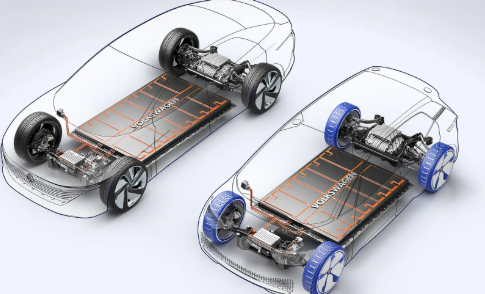
In addition to the types of batteries themselves, several key technologies play a critical role in enhancing the overall performance of EV battery systems. These include battery management systems (BMS), advanced cooling systems, and new charging protocols. These technologies ensure that batteries operate efficiently, safely, and are optimized for longevity.
What is a Battery Terminal Cap?

Definition and Function of Battery Terminal Caps
A battery terminal cap is a protective cover or housing that encapsulates the terminal of a battery, which is the point where electrical connections are made. In electric vehicle batteries, the terminal cap serves multiple purposes, including:
1.Protecting the Terminal: The terminal cap helps protect the battery terminals from corrosion, dust, moisture, and physical damage, ensuring reliable electrical connections.
2.Ensuring Safety: The cap helps prevent short circuits by covering the exposed metal terminals, which could otherwise come into contact with conductive materials.
3.Heat Management: Battery terminal caps can also aid in managing the heat generated at the terminal by insulating the connection from temperature extremes.
Construction and Materials of Auto Battery Terminal Caps
Battery terminal caps are typically made from durable, heat-resistant materials such as plastic, rubber, or specialized composites. These materials ensure that the caps can withstand the high temperatures and corrosive environments that batteries often operate in. The design of the cap may include features like seals or gaskets to prevent leakage of gases or liquids and to enhance the overall safety of the battery.
The Importance of Battery Terminal Cap in EV Battery Systems

While it may seem like a small component, the battery terminal cap plays an essential role in the overall health and efficiency of the electric vehicle's battery system. The terminal cap ensures that electrical connections remain stable and free from damage, which is critical for maintaining optimal performance and preventing potential safety issues such as electrical short circuits. Additionally, the cap can help prolong the lifespan of the battery by protecting it from environmental damage and wear.
Innovations in Battery Terminal Cap Design

With the growing complexity of electric vehicle battery systems, manufacturers are constantly seeking ways to improve the design of battery terminal caps. Some of the recent innovations in terminal cap design include:
1.Integrated Thermal Management: Some modern terminal caps are designed with built-in heat sinks or cooling mechanisms to better dissipate the heat generated at the terminals.
2.Enhanced Sealing Technology: Advanced sealing materials are being used to prevent moisture, dust, or gases from reaching the battery terminals, which can improve the overall safety and longevity of the battery.
3.Smart Terminal Caps: Some companies are exploring the possibility of smart terminal caps that can monitor temperature, pressure, and other vital parameters, alerting vehicle owners or service technicians to any potential issues before they lead to battery failure.
Conclusion
Electric vehicle battery technology is evolving rapidly, with various battery chemistries offering different advantages in terms of energy density, safety, and cost. While much of the focus is placed on the battery cells themselves, components like the battery terminal cap play an indispensable role in ensuring the performance and safety of the battery system. As the demand for electric vehicles continues to grow, innovations in both battery technology and terminal cap design will be critical in advancing the efficiency, safety, and longevity of EV batteries.
The future of electric vehicles will rely not only on powerful and efficient battery cells but also on the smallest components—like the terminal cap—that ensure these batteries operate safely and effectively over their lifespans.
Recommended reading :
1.How Much Does Car Air Conditioning Repair Cost - Why Battery Terminal Caps Matter
2.Borofloat Glass in the Glass to Metal Sealing Process
3.Innovative Glass-to-Metal Sealing Enhances Oxygen Sensor Gasket Reliability in New Energy Vehicles